Universal Beams and Columns
Home / Products / Universal Beams & Columns
Provides Your Best Quality Manufacturing Products
Our universal beams are made to meet the highest structural performance standards. They are widely used by steel fabricators, engineers, and construction professionals.
Product Description
What Are Universal Beams and Columns?
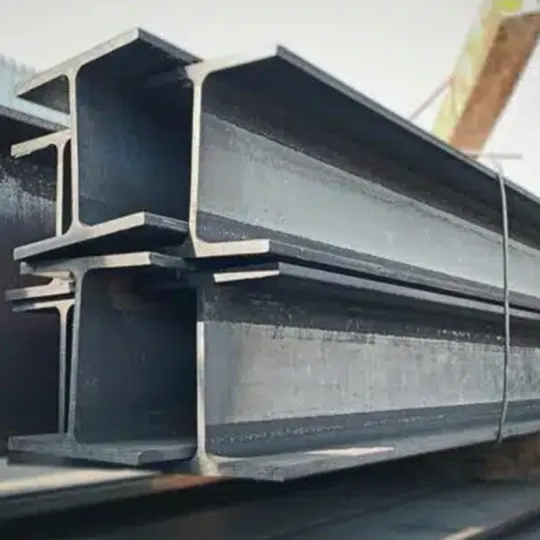
Universal Beams (UB) and Universal Columns (UC) are essential structural steel sections used in construction, engineering, and industrial projects. Known for their high strength-to-weight ratio, they provide reliable support in load-bearing applications such as buildings, bridges, and infrastructure.
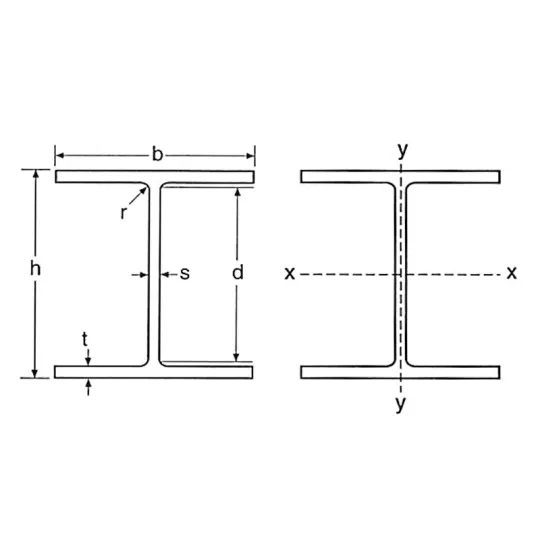
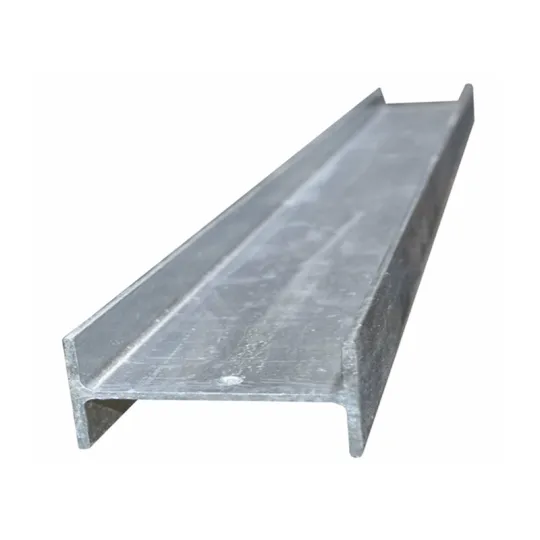
Universal Beams (UB): Also known as “I-beams” or “H-beams,” they have a narrow flange and deep profile, making them ideal for spanning long distances and resisting bending.
Universal Columns (UC): With wider flanges and a more balanced profile, UCs are designed to carry axial loads, making them suitable for vertical structural support.
Universal Beams
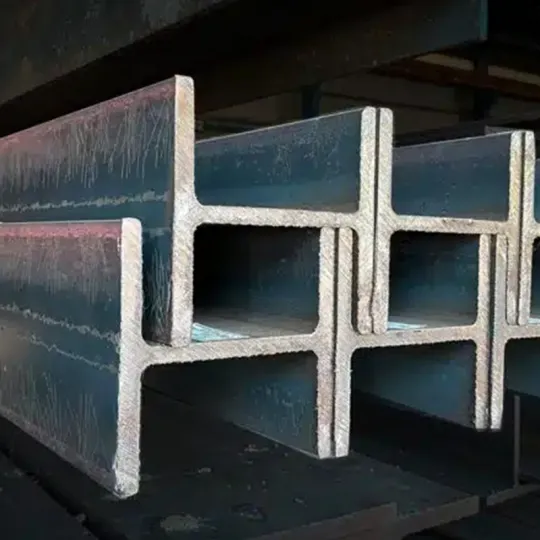
A structural steel beams is a structural shape that’s widely used across many industries and projects. Made from high-strength steel, they are long, horizontal, or sloping structural elements designed to bear loads and provide support for construction projects. Steel beams come in various shapes and sizes to fit specific needs. One example is I-beams, which are called such as their profile is shaped like a capital I (or an H if you turn it on its side).
Steel beams are very strong and they can distribute loads and resist bending, ensuring stability and durability in structures. But at the same time, that can make them very heavy, which is why they can also be cut in half along their length to create tee beams. These steel beam shapes are referred to as T-beams to match their profile.
UB UC steel sections can seem simple when you glance at them, but there is a huge mix of types, variations, measurements, and more that are tailored to different applications and purposes.
We’ve created guides like this for other structural steel shapes as well, such as rebar, piping, angles, plates, and grating. Whether you’re just looking to learn or you’re planning on buying some, we’re here to break it down so you can feel confident talking about and buying the right beams for your needs.
UNIVERSAL COLUMNS
Universal steel columns look very similar to universal beams (I beams) and there is also very little to separate the two in terms of their functionality. Universal columns (UCs, for short) are often called H beams, lintels or girders. Steel columns are required for any major structural work in the construction of buildings, but also make excellent load-bearing support beams. Columns hold loads across the entire vertical axis, whereas steel beams are often used to support loads across the whole length, horizontally.
A Universal column is structured to hold loads along its vertical axis and resist twisting, while universal beams are structured to hold loads along the length of the beam and are structured to resist bending from the weight of the load. Yet, both are meant to hold a lot of weight coming in from one direction.
Universal Beams and Columns Benefits
Our structural steel beams are made to meet the highest structural performance standards. They are widely used by steel fabricators, engineers, and construction professionals who require:
● Consistent structural performance across a wide range of applications
● Reliable availability in multiple sizes and weights
● Compatibility with welding, drilling, and bolting
● Full certification and traceability on all stock
● Convenient nationwide delivery and depot collection
Steel Sections Applications
At their most basic, steel beams are for supporting heavy loads due to their immense strength. More specifically, they’re often used in construction and civil engineering structures such as supports for bridges or the primary frames of buildings.
• Commercial and residential buildings: Providing support for floors, ceilings, and roofs.
• Bridges and overpasses: Offering structural integrity and load-bearing capabilities.
• Skyscrapers: Acting as primary vertical and horizontal support beams.
• Industrial warehouses and factories: Used in building frames and overhead support systems.
• Parking garages: Withstanding heavy loads from vehicles.
• Retail and hospitality spaces: Supporting large open areas without the need for intermediate columns.
• Stadiums and arenas: Ensuring structural stability for large, open spaces with minimal support.
As we’ll discuss, they have excellent strength and weight-bearing characteristics for things like supporting floors and roofs, which makes them ideal choices for most construction and infrastructure projects.